
Drone Manufacturing
Move from golden sample to repeatable U.S. production.
Ascendant supports drone programs from design for manufacturing through low-rate initial production, with sourcing, documentation, quality, testing, and traceability built into the process.
Where we come in
Three places a program reaches us
One of these is probably yours. What we do next depends on which.
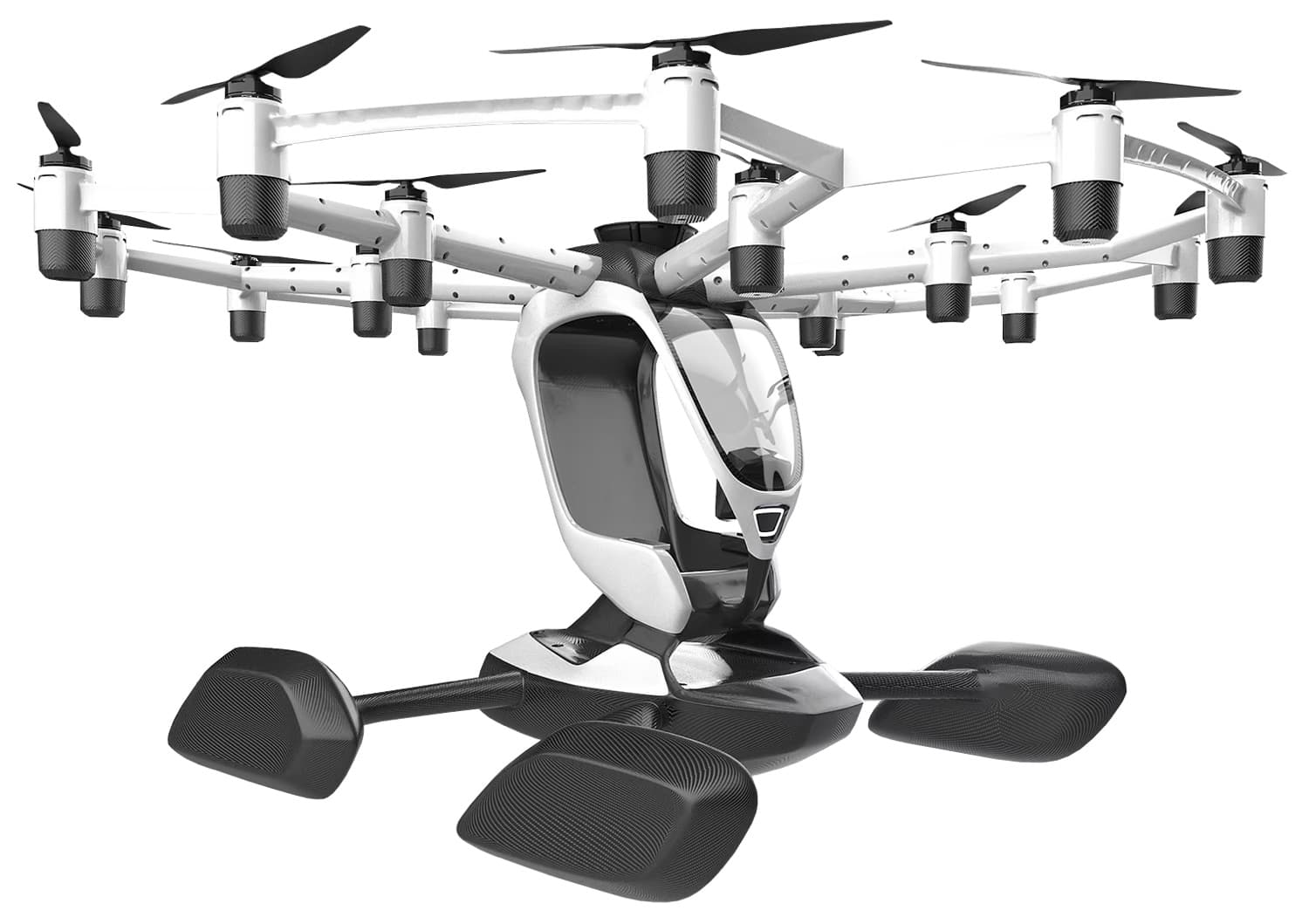
- A prototype that flies
- Prototype needs DfM
The design works and cannot be built again the same way twice. We review it for manufacturability, check where each part on the bill of materials comes from, and say what has to change before anybody tools for it.
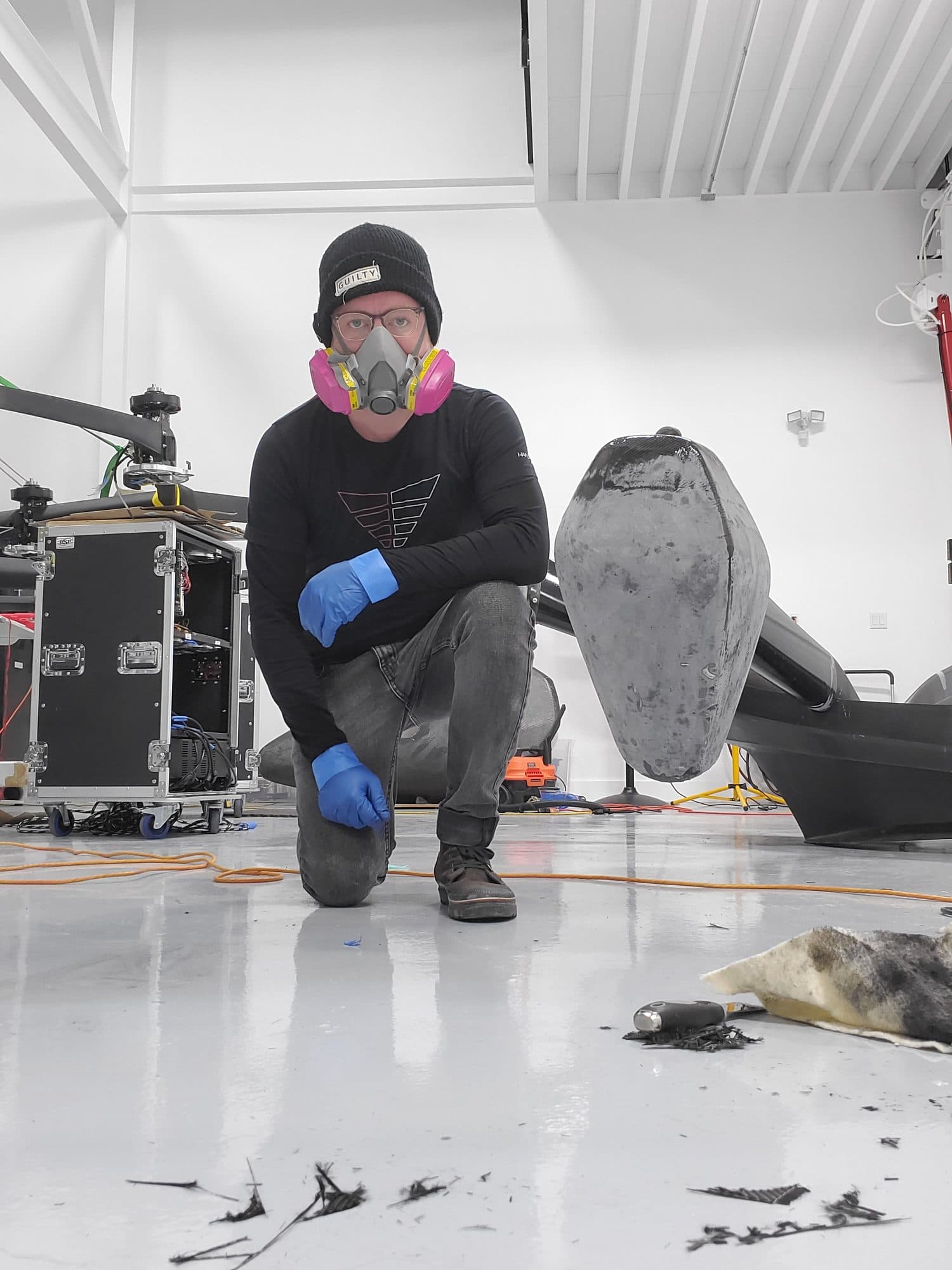
- A design that is ready
- Design is ready for a golden sample
The drawings are settled and nothing has been built to them under control. We support supplier development, the first build to the documentation, and the record of what it took.
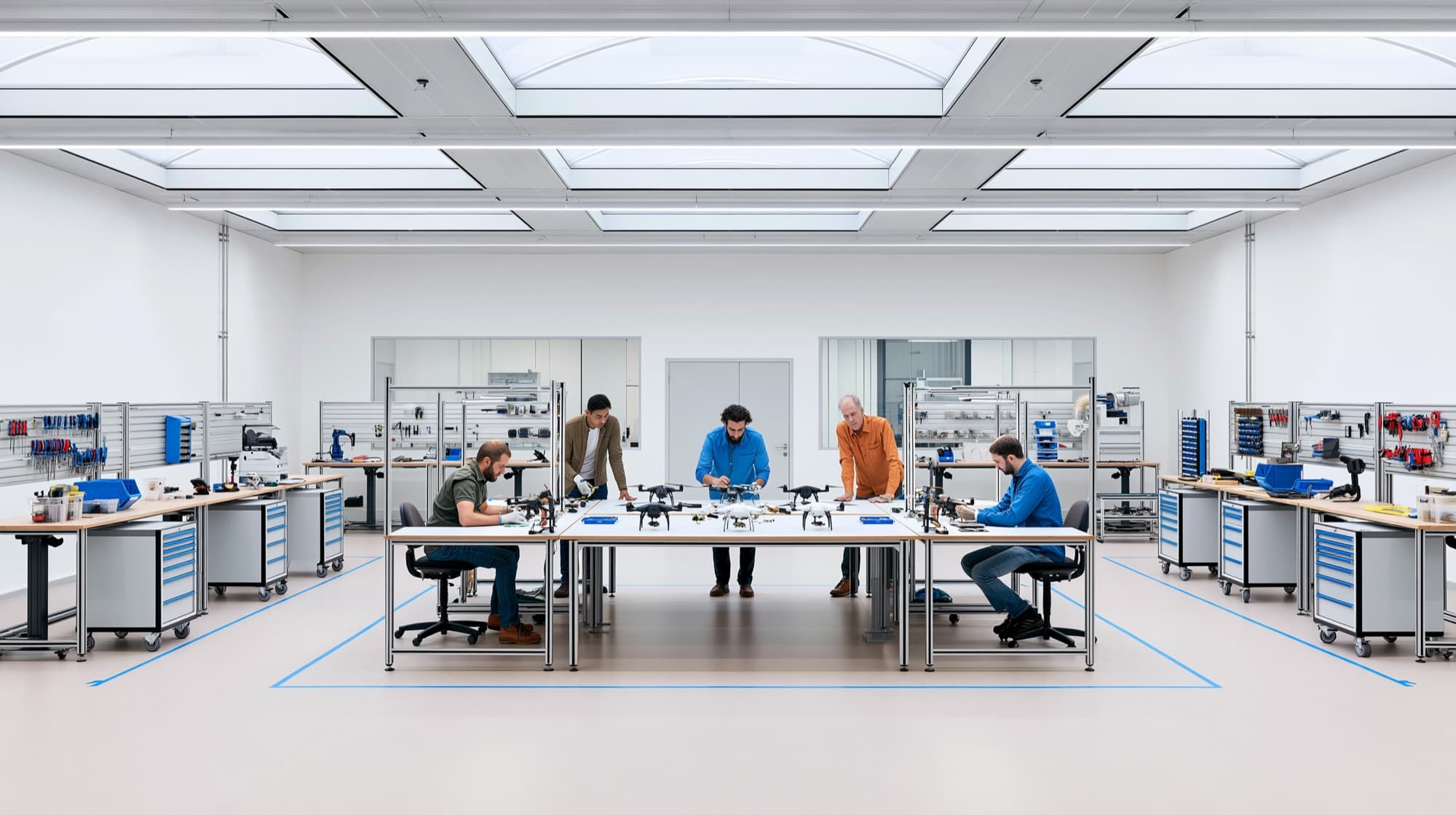
- A golden sample
- Golden sample needs repeatable LRIP
One good unit exists and the next fifty have to match it. We support the fixtures, the travelers and the inspection steps, and low-rate initial production against them.
Golden sample to LRIP
Nine gates, and what each one is signed off on
A gate is not passed because somebody says so. Each one leaves a record, and the record is what the next gate is built on.
Design review
A written review of the design against what production needs, and the list of what has to change.
DfM changes
The changes agreed, and the drawings and bill of materials updated to match.
Supplier qualification
Who supplies each part, where they sit on the approved vendor list, and where the part comes from.
Golden sample
The first unit built to the documentation, and the record of what it took to build it.
Tooling and fixtures
The manufacturing test fixtures, and what each one is there to check.
Pilot build
A short run against the travelers, with support from our domestic manufacturing partners.
Inspection and test
What each unit was inspected and tested against, recorded per serial number.
LRIP
Repeat builds against the same package, supported with our domestic partners.
Scale preparation
What the package needs before volume rises, and which suppliers have to be doubled up.
The common thread
The loop closes here.
Industrialization hands a build package to a partner. MoonTower hands back what the product does afterwards, and that is what the next revision is designed against.
Validate & Industrialize
Rapid prototypes, bench and flight testing, design iteration, DFM, supplier qualification, production documentation, golden samples, and LRIP readiness.
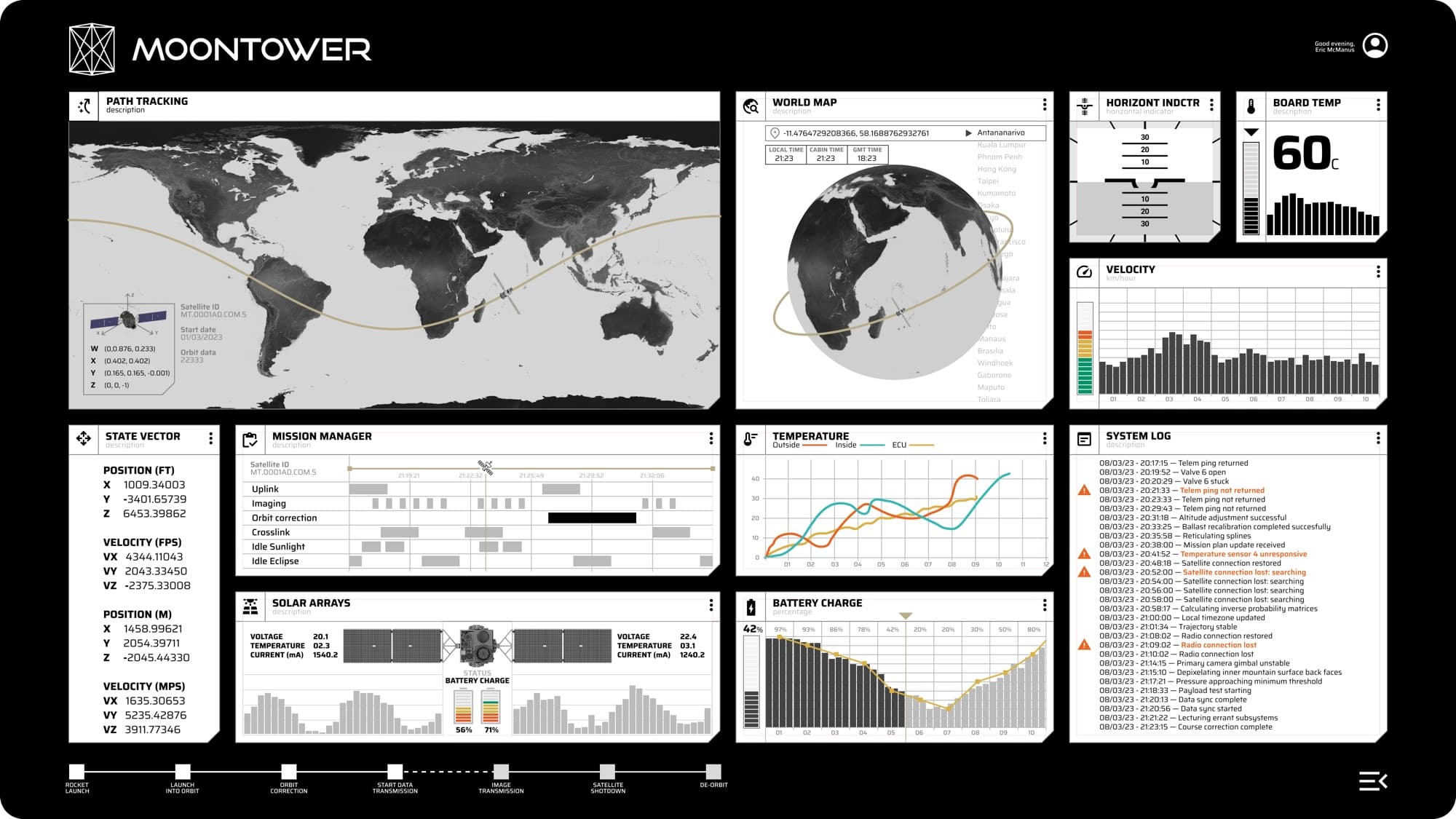
Improve through the Field
MoonTower captures product usage and performance, detects emerging issues, supports remote diagnostics, and enables over-the-air software updates after deployment.
Capabilities
From golden sample to repeatable production
Grouped by what part of production they belong to, because a reader looking for one of them should not have to read all of them.
Ascendant AI is building its manufacturing capability through a hybrid model: targeted in-house equipment for rapid prototyping, electronics integration, harnessing, assembly and test, with a proven network of specialized manufacturing partners developed through prior aerospace, robotics and drone programs.
Production preparation
- DfM review
- BOM normalization
- Supplier development
- Costed production planning
- Work instructions and travelers
Fabrication and assembly
- Mechanical assembly
- Wire harnessing
- Machined parts
- Composite and foam-related support
- Electronics integration
- Low-rate initial production (LRIP) support
Quality and testing
- Incoming inspection
- In-process inspection
- End-of-line testing
- Calibration records
- Nonconformance and rework tracking
Traceability and control
- Serial and lot traceability
- Configuration control
- Country-of-origin records
- Supplier attestations
- Production documentation
Evidence
What a build has to prove before it ships.
Documentation, traceability and test records, kept as the build runs.
The record
How a part becomes a part you can account for
Eight steps, each one producing a document a buyer can ask for. This is how the record is kept on a program, and it is the difference between a compliant drone and a drone somebody says is compliant.
Bill of materials
Every part listed, under the part number it is actually ordered by.
Supplier
Who supplies each part, and where that supplier sits on the approved vendor list.
Country of origin
Where the part comes from, tracked from the first build rather than at the end.
Receiving inspection
What arrived, recorded against the bill of materials.
Traveler
The build steps for that unit, recorded as they are done.
Serial record
Which parts went into which unit, by serial number.
Test result
What the unit was tested against, and what it did.
Release
The unit and its record leave together, so a later question has an answer.
This is how the record is kept, not a certification
None of it is a quality-system registration, a certification, or a statement that any particular program meets a requirement. It describes what a program’s record contains and who holds each part of it. Your own quality and contracting people decide whether that is enough for your program.
Where it happens
Test, recovery, and the space to do both.
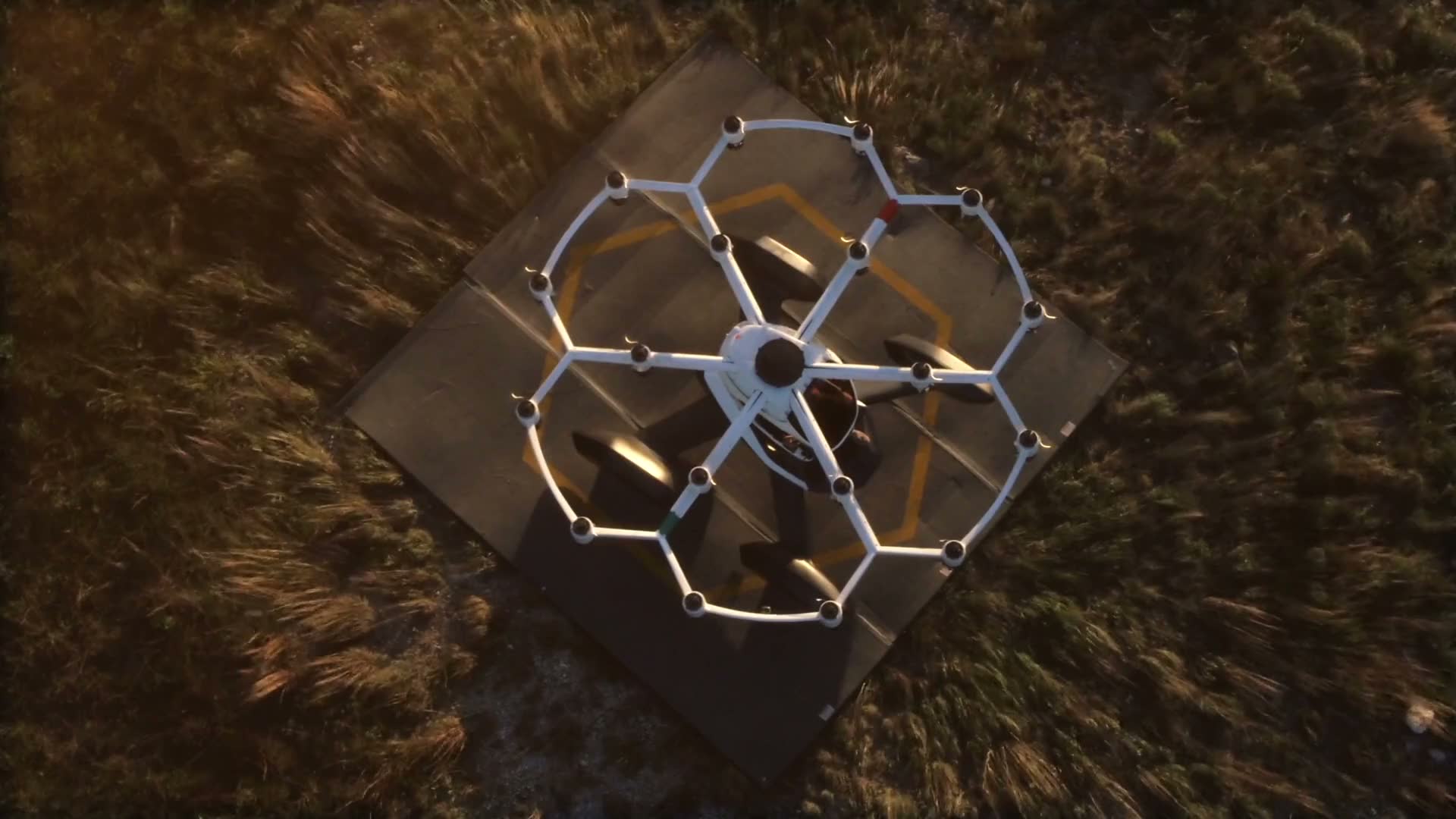
Flight testing and recovery are part of the build, not something after it.
Facilities and real capabilities
Who performs what, named
Performed directly by Ascendant
Our own people and targeted in-house equipment, on our own responsibility.
- Design for manufacturing
- Supplier and material planning
- Rapid prototyping
- Electronics integration
- Harnessing
- Assembly
- Test
- Assembly and inspection documentation
- Quality and inspection work
- Traceability and the production record
- Production readiness review
Performed through qualified partners
Specialized domestic partners, on work we prepare and document.
- Fabrication and machining
- Molding
- The low-rate build itself
- Surge capacity
Planned but not yet operational
The equipment above does this work today. As production volumes justify the investment, a cell that can run production programs comes in house, with partners kept for specialized processes and surge capacity.
- A domestic manufacturing cell capable of prototype, LRIP and customer production programs
- The highest-value and most capacity-constrained manufacturing capabilities
Featured manufacturing program
DfM and LRIP support, with DZYNE Technologies
- Starting state
- An aircraft that flies, and no route to building it again the same way.
- The production problem
- Buyers ask for ruggedness, serviceability, supply-chain awareness and reliability, and a prototype answers none of them on paper.
- DfM work
- Design review and manufacturability improvements, and production-oriented engineering on the parts that decide whether it can be built twice.
- Supplier and material planning
- Where each part comes from, what it is made of, and what happens when a supplier changes.
- Assembly and inspection documentation
- Assembly planning, and the quality and inspection documentation a buyer can ask for.
- LRIP-readiness outcome
- Low-rate production readiness.
Drone products
Our Drone Products
Our own line of drone products, designed around the parts of the job an operator actually does.
- Communications
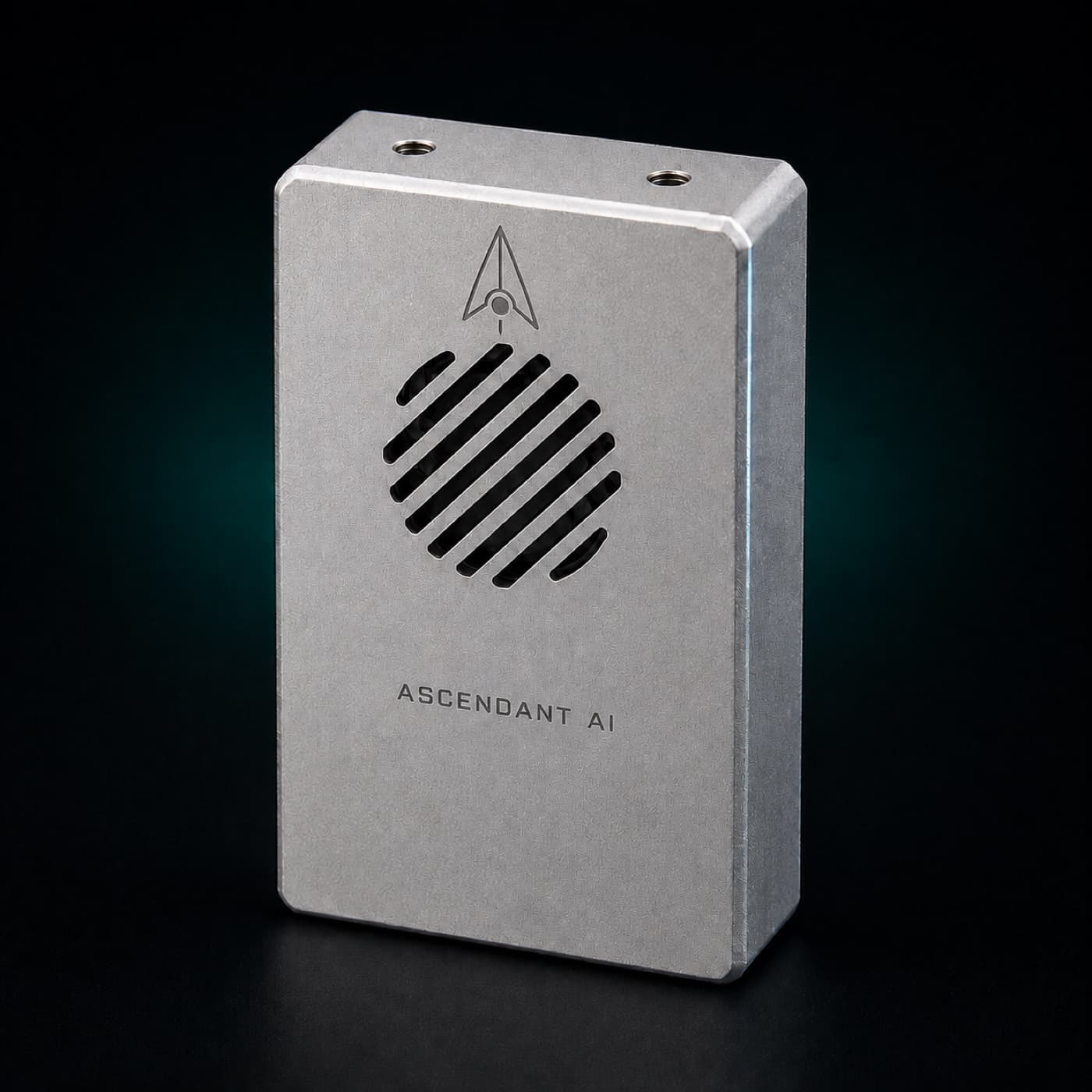
- The DUO radio is being built as the communications layer. In development.
- Control
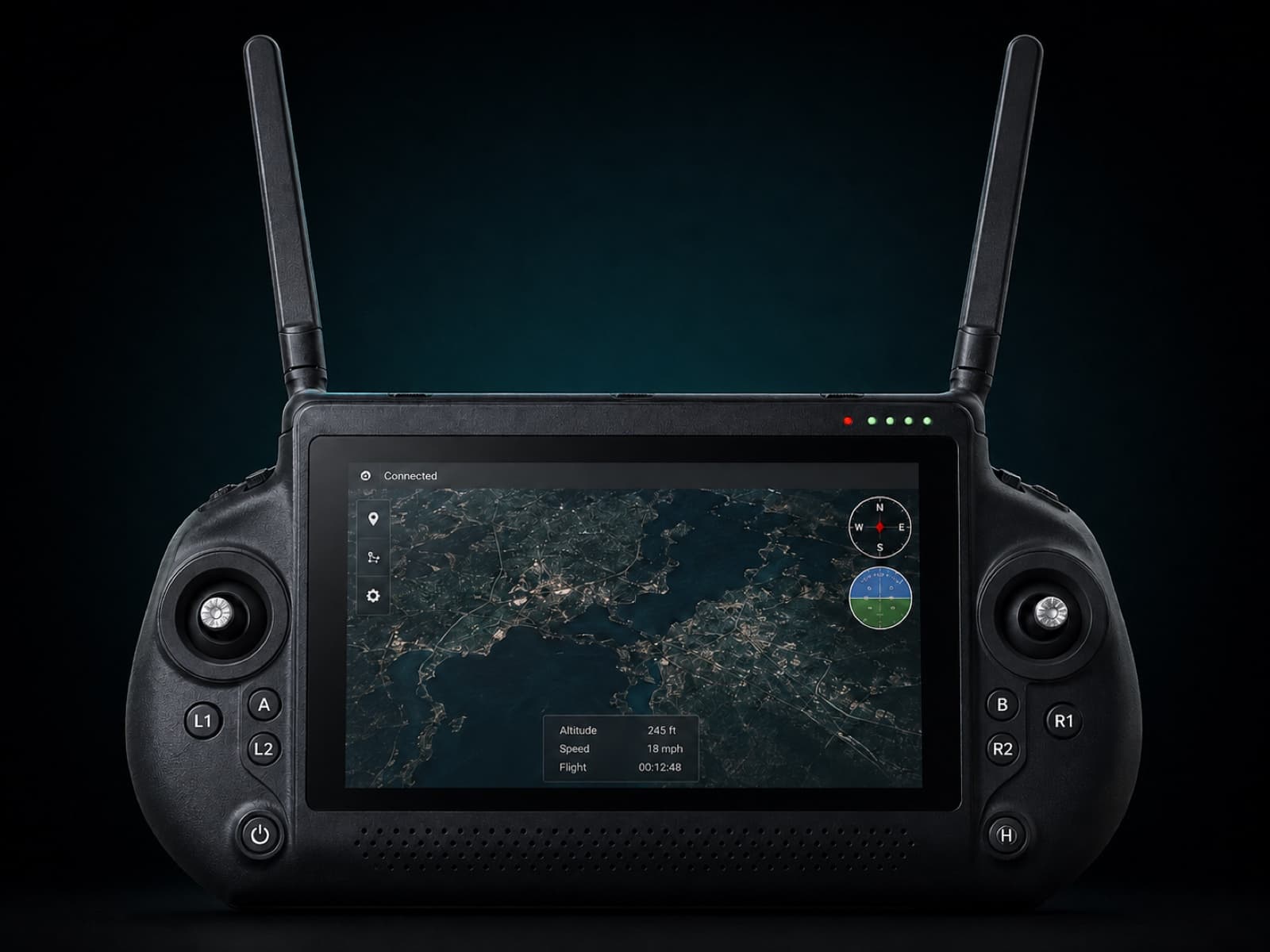
- The RC7 is designed as the operator-control and mission-management layer. Pilot availability.
- Aircraft
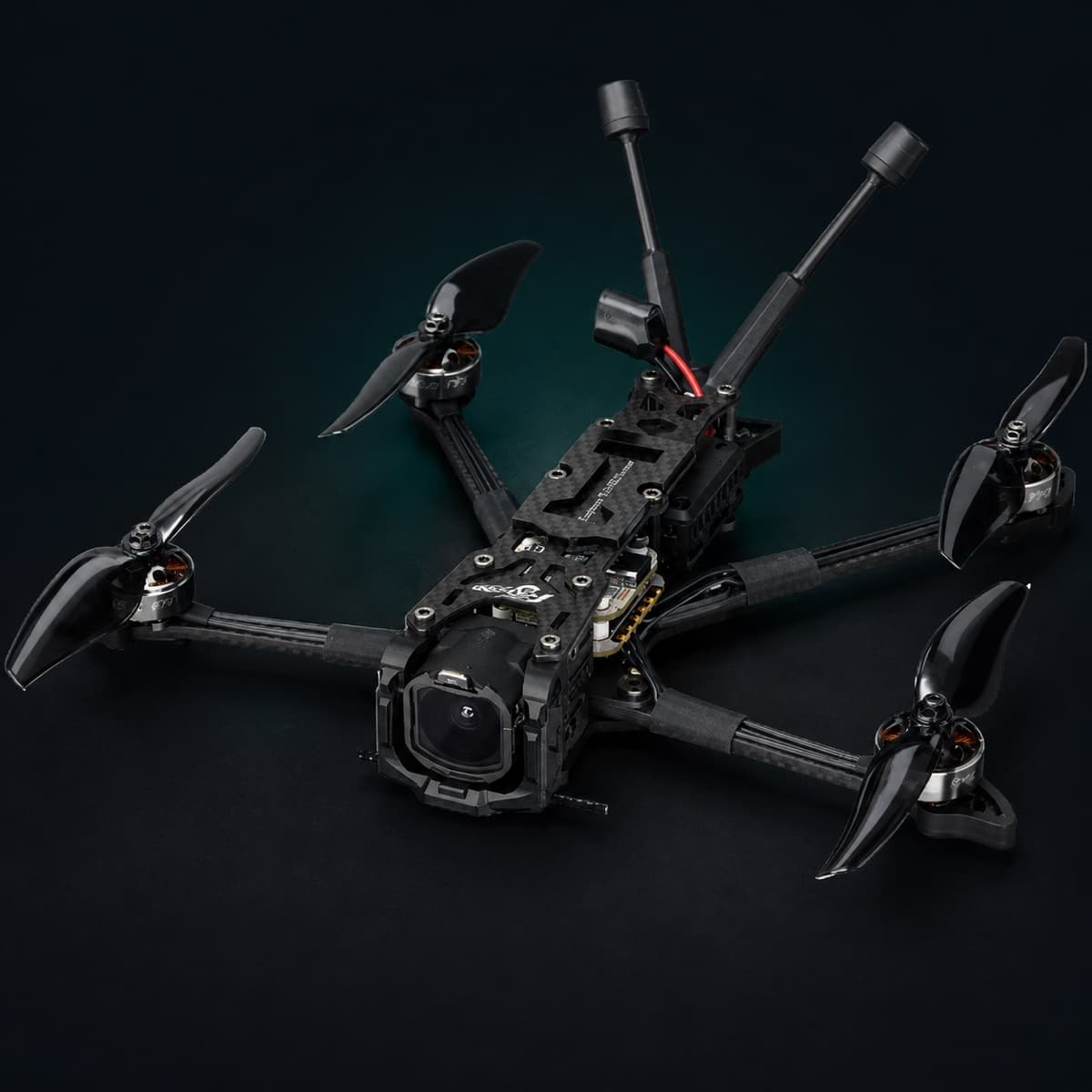
- The FPV drone kit is being built as the tactical aircraft platform. In development.
- Fleet intelligence
- MoonTower Analytics provides the fleet intelligence, monitoring, update and recurring-software layer. Available now.
Before you ask
What a production readiness conversation comes back to
These are the questions the work turns on, so you can see how far off you are before you write. Do not send anything your program restricts: tell us the shape of it and we will arrange an agreement and a secure way to send files first.
- Current CAD and drawings
- BOM
- Prototype or golden sample
- Target production volume
- Known supplier constraints
- Existing test procedures
- Required delivery date
- Known compliance requirements